galdent.org Textile Art Courses galdent.org Contact Us
Contact Us

Textile Arts and Traditional Crafts in Portugal

Discover workshops in azulejo painting, embroidery, textile dyeing, and hand-weaving. Thoughtfully designed courses for mature creative learners ready to develop real skills.

Portugal has a centuries-old tradition of textile craftsmanship. These courses connect you directly with that heritage—whether you're interested in the geometric precision of azulejo tile work, the meditative practice of embroidery, the chemistry of natural dyes, or the rhythm of hand-weaving. Most programs run year-round with flexible scheduling for adults.

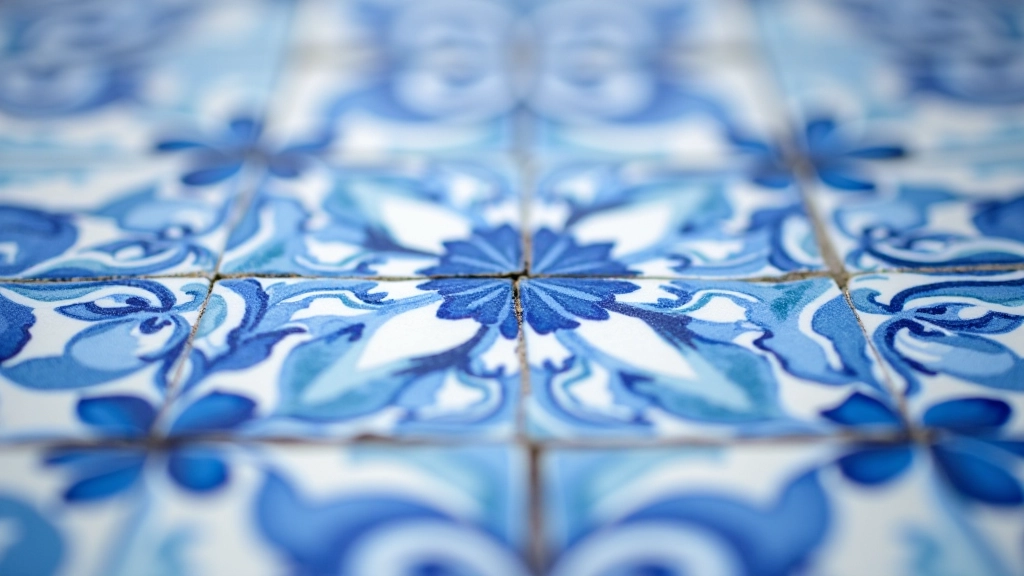
Close-up of traditional Portuguese azulejo tiles with blue and white geometric patterns arranged in a mosaic

Featured Learning Guides

Explore what each craft involves and what to expect when you start learning.

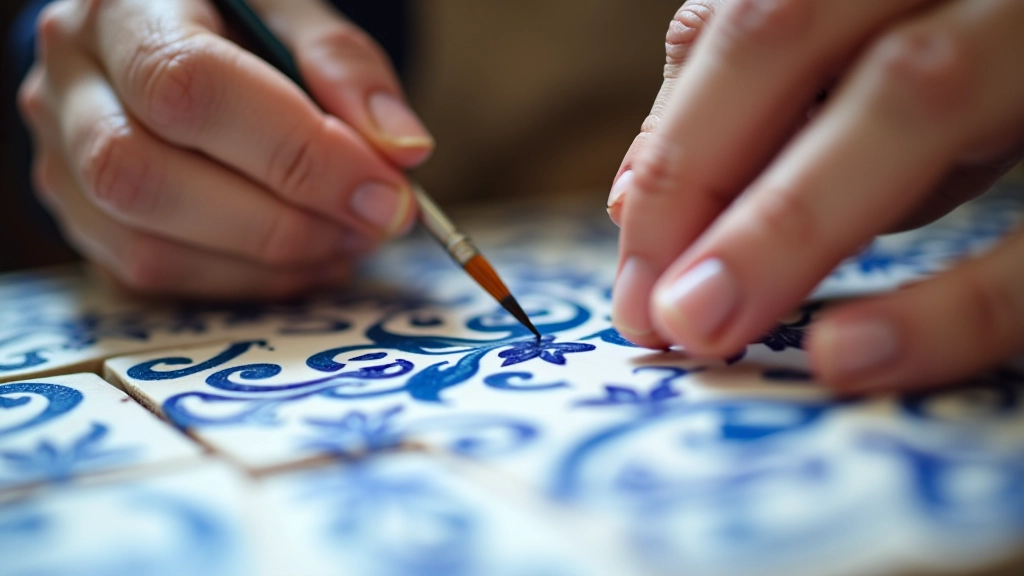
Artisan's hands painting traditional blue patterns onto a ceramic tile with a fine brush in a bright workshop

Azulejo Tile Painting: From Pattern to Glazed Finish

Learn how Portuguese artisans translate geometric designs onto ceramic tiles. Covers sketch work, underglaze techniques, and the firing process that creates that distinctive glazed finish.

7 min Beginner March 2026
Read More
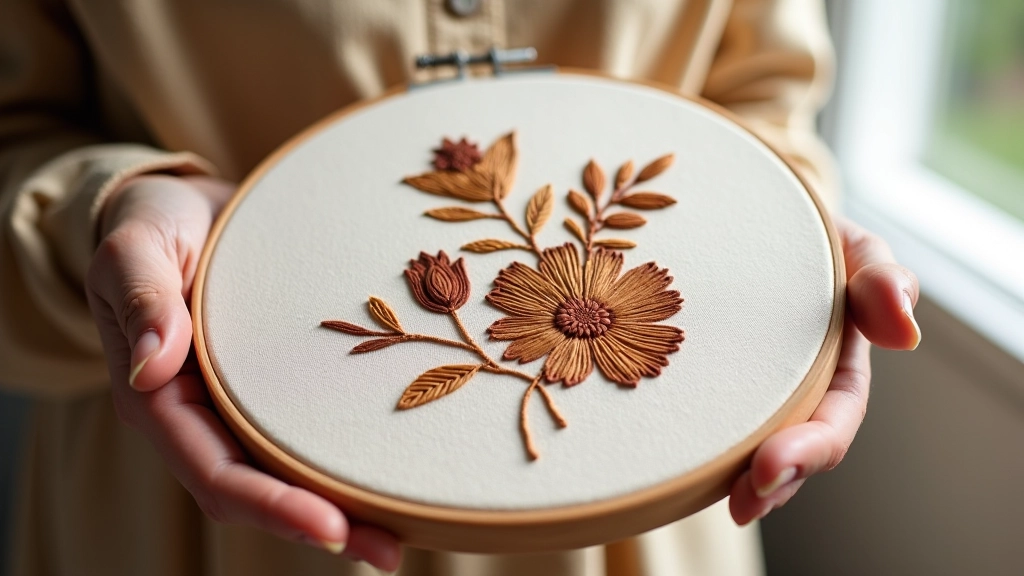
Embroidery hoop with cream linen fabric showing detailed hand-stitched floral motif in earth-tone thread colors

Embroidery and Needlework Fundamentals

An introduction to hand-stitching techniques: cross stitch, backstitch, and decorative fills. You'll work through simple projects that build precision and rhythm over several weeks.

8 min Beginner March 2026
Read More
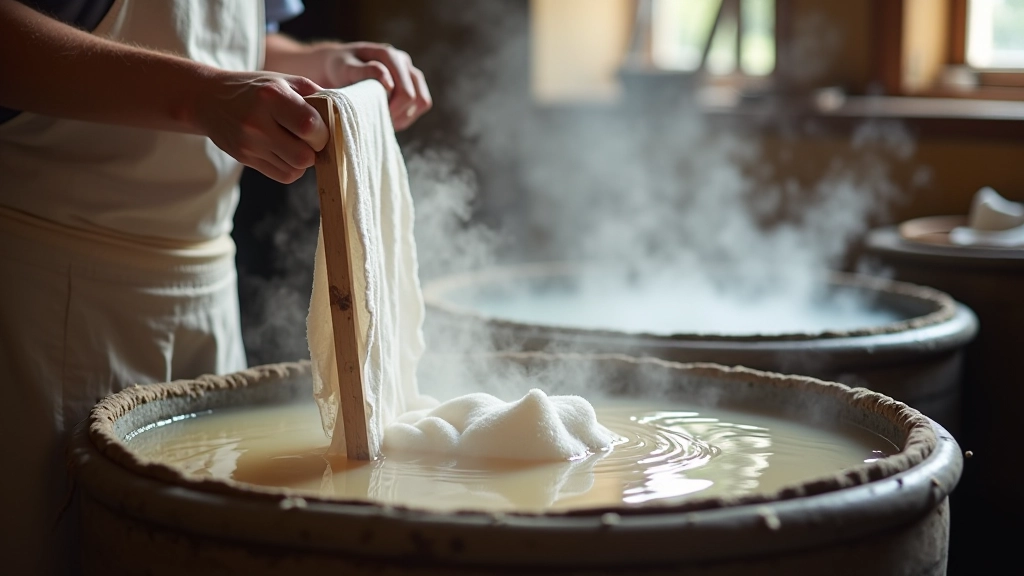
Dye vats with rich indigo and madder root colors, white cotton fabric being lifted from steaming water with wooden sticks

Natural Textile Dyeing Techniques and Plant Sources

Discover how to create dyes from plant materials—indigo, madder, weld, and others. You'll prepare fibers, manage dye temperatures, and understand how different fabrics absorb color differently.

9 min Intermediate March 2026
Read More
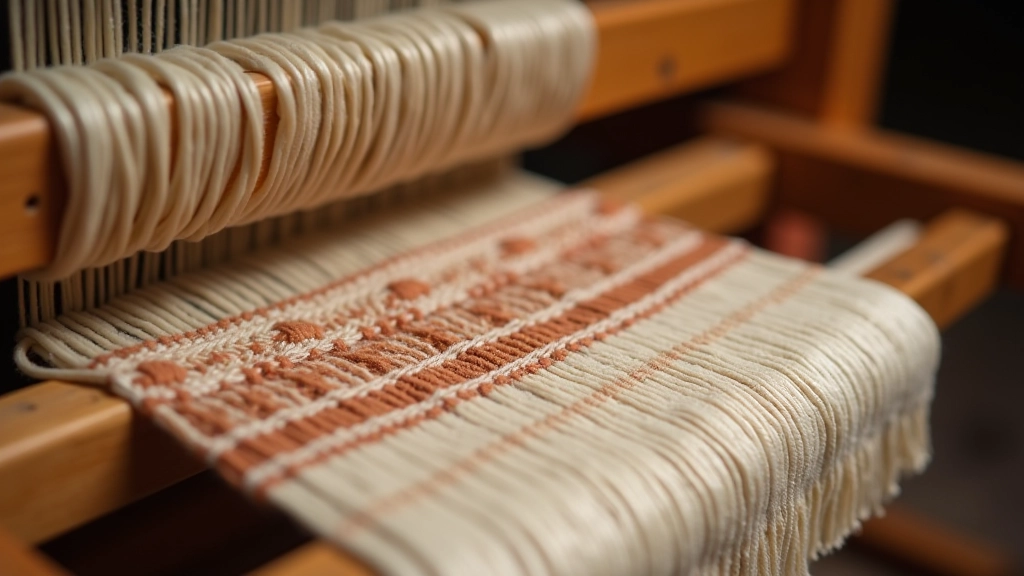
Wooden hand-loom with woven textile in progress showing cream and rust-colored yarn threads interlaced across the frame

Hand-Weaving Introduction: Setting Up and Starting Simple

Your first weaving course covers loom setup, understanding warp and weft, and completing basic patterns. Most students finish a small finished piece within the first four weeks.

8 min Beginner March 2026
Read More

Why These Crafts Matter

Hands-On Learning That Sticks

These aren't lecture-based courses. You're working with actual materials from the first session. Your hands learn the techniques through repetition—muscle memory develops naturally. After six weeks, you're not just understanding textile work intellectually. You're doing it.

Connection to Portuguese Heritage

Portugal's textile traditions reach back centuries. When you're learning azulejo painting or hand-weaving here, you're studying in the place where these techniques originated. Many instructors come from families with generations of craft experience. That context matters.

Perfect Pace for Mature Learners

These courses aren't rushed. They're designed for adults who want to develop real competence, not just dabble. Classes typically run twice weekly with 2-3 hour sessions. You're working alongside people with similar motivation and patience.

A Portable Skill You'll Actually Use

You're not learning something just to have a certificate. Hand-weaving, embroidery, and dyeing are skills you can continue practicing at home. People often set up small home studios. The investment in learning becomes an investment in something you'll do for years.

Getting Started: What to Expect

Here's what the first few weeks typically look like across these different crafts.

1

Materials Introduction and Workspace Setup

You'll meet the instructor, see what tools and materials you'll be using, and set up your workspace. For weaving, that's understanding the loom. For dyeing, it's learning about vat management. For embroidery, it's choosing your first needle and thread.

2

Foundational Techniques and Basic Practice

You'll spend the first 2-3 weeks doing drills. Embroiderers practice basic stitches on scrap fabric. Weavers work with simple patterns. Dyers experiment with small test batches. This builds muscle memory without pressure to produce finished work.

3

First Small Project or Piece

By week 4-5, you're working on something intentional. A small embroidered panel. A woven wall hanging. A dyed length of cotton. It won't be gallery-quality, but it'll be yours—made with your hands, using real techniques.

4

Continued Skill Building and Personal Direction

After the first project, instructors help you develop your own interests within the craft. Want to focus on color work in weaving? Go deeper. Prefer complex embroidery patterns? The courses adapt to your emerging preferences.