Natural Textile Dyeing Techniques and Plant Sources
Discover how to extract vibrant colors from plants like indigo, madder, and weld. Learn the traditional methods that Portuguese artisans have used for centuries to transform raw fibers into richly colored textiles.
Why Plant-Based Dyes Matter
Natural dyes aren't just historically significant—they're making a genuine comeback among textile artists. Unlike synthetic dyes, plant-based colors develop character over time and offer a direct connection to the materials you're working with. You're not just applying color; you're engaging with centuries-old knowledge about how plants interact with fibers.
The process demands patience and attention. Temperature matters. Fiber preparation matters. Even the water you use shapes your results. It's this complexity that makes natural dyeing so rewarding. You'll start seeing the world differently—noticing which plants might yield color, understanding why certain combinations work better than others.

Primary Plant Sources
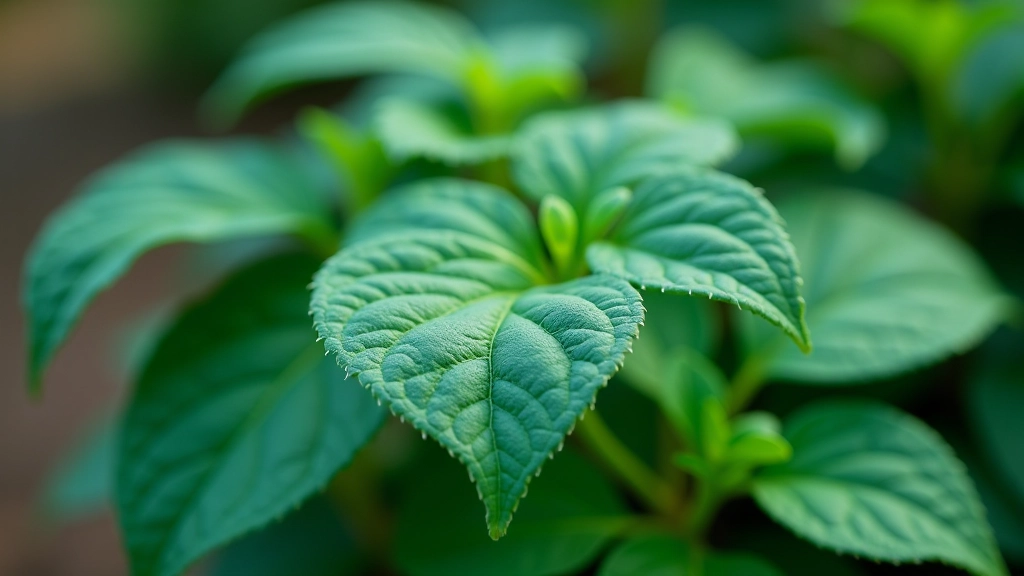
The best dyes come from plants that have been tested over generations. Indigo produces those deep, complex blues that don't fade. You'll find it grows well in Mediterranean climates, making Portugal an ideal location for cultivation. The leaves contain the color compound, and harvesting happens when the plant is fully mature—usually mid to late summer.
Madder root creates reds and oranges, but here's what catches most beginners off guard: you need to wait. The plant grows for three years before the roots develop enough dye potential. That's why madder-dyed textiles were so valuable historically. Weld produces brilliant yellows and can be grown as an annual crop. It's faster, more forgiving, and creates that distinctive golden tone you see in historic textiles.
Cochineal insects, harvested from cacti in Portugal's southern regions, yield crimsons and purples. They're not plants, but they're part of the natural dye palette and worth knowing about.
Preparing Fibers and Creating Dye Baths
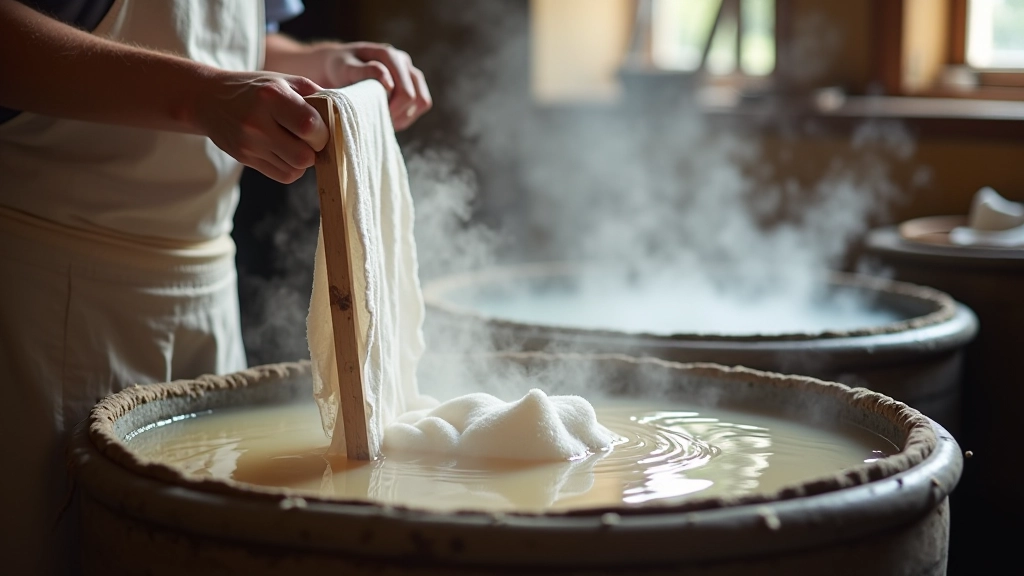
Preparation separates good results from great ones. Cotton, wool, and silk each behave differently in dye baths. Before dyeing, you'll want to scour your fibers—essentially washing them thoroughly to remove any oils or finishes. This takes time. We're talking about simmering your fabric gently for 30 to 45 minutes in soapy water.
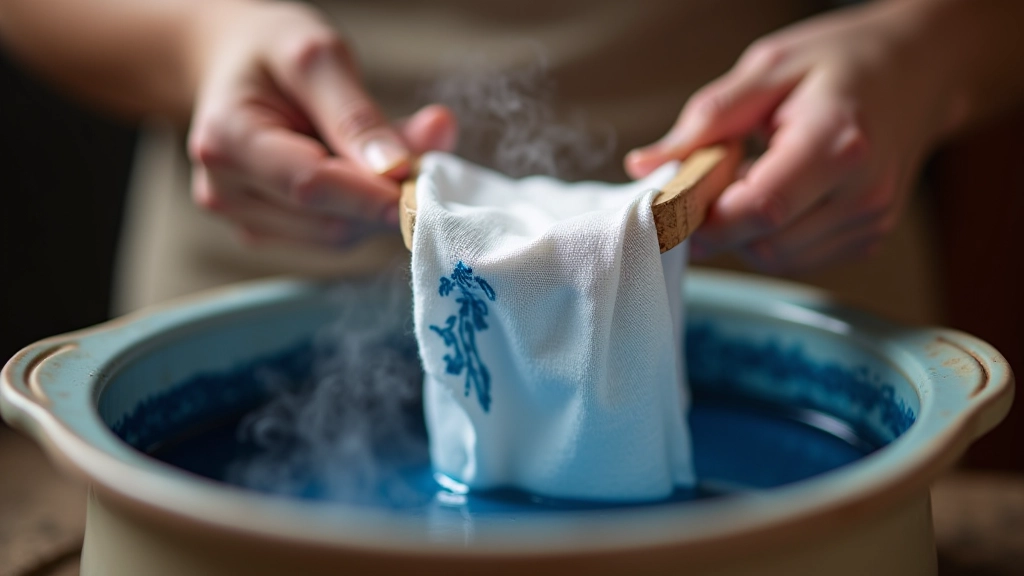
Creating the dye bath itself is where the real work begins. You'll extract color from plant material through simmering. Indigo requires a different approach—it needs alkaline conditions and careful temperature management to develop its true color. The water temperature stays around 60-70°C, never boiling. One small mistake—letting it get too hot—and your indigo oxidizes and loses its vibrancy.
The Dyeing Process and Color Development
Once your fiber is prepared and your dye bath is ready, the actual dyeing process is surprisingly meditative. You'll immerse the fabric slowly, keeping movement gentle to ensure even color uptake. The fabric needs time—usually 30 to 60 minutes—to absorb the color. Resist the urge to rush this. Patient dyers get better results.
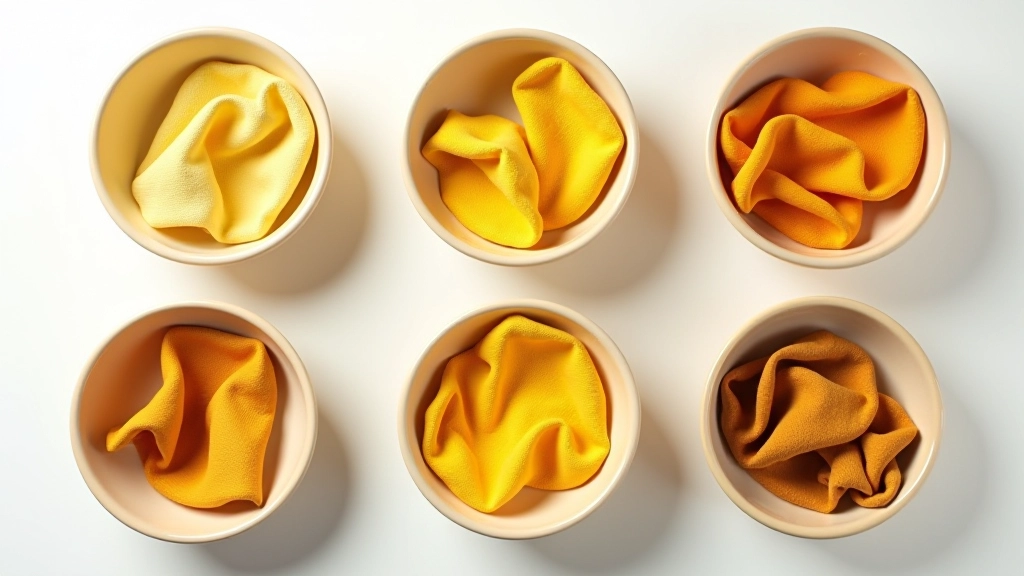
Different plants give different color ranges depending on how you manage the bath. Madder might produce peachy reds, deep burgundies, or warm oranges based on pH levels and temperature. That variability isn't a problem—it's the beauty of natural dyeing. Each batch tells its own story. You'll cool the bath slowly, then rinse thoroughly in cool water until the water runs clear.
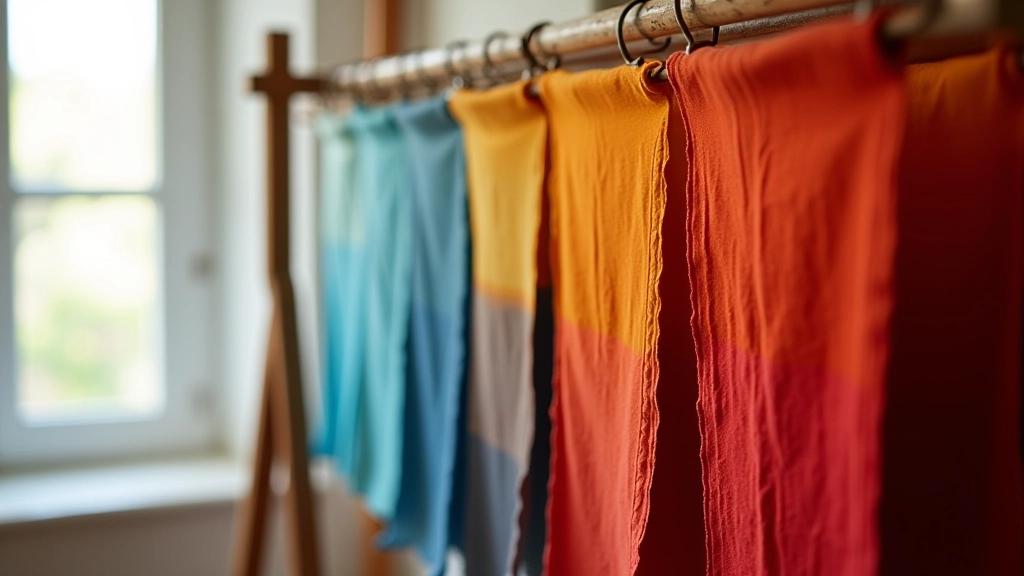
Drying matters too. Lay your fabric flat or hang it in shade. Direct sunlight can fade natural dyes, which seems counterintuitive but happens because the colors are still settling into the fiber structure. Give it at least 24 hours before using or storing.
What Makes Natural Dyes Unique
Color Variation
Every harvest produces slightly different shades. This isn't a flaw—it's authenticity. Two pieces dyed from the same indigo batch will have subtle variations that deepen their character over time.
Fiber Interaction
Natural fibers absorb dye differently. Cotton holds reds and yellows well. Wool and silk develop richer, deeper tones. Understanding these differences lets you choose the right fiber for your desired outcome.
Longevity and Aging
Natural dyes mellow beautifully with time and washing. Fading happens gradually and evenly, creating a soft patina that synthetic dyes simply can't match. Your work gets better looking with age.
Sustainable Practice
Growing or harvesting your own dye plants connects you to the entire process. No chemical waste. No environmental toxins. Just renewable resources and traditional knowledge passed forward.
Starting Your Natural Dye Journey
Natural dyeing isn't difficult, but it demands respect for the process. Start with simpler plants—weld for yellows, indigo for blues. Get comfortable with temperature management and basic chemistry before experimenting with complex color combinations. Your first pieces might not be perfect, and that's completely fine.
What you're really learning is observation. You'll notice how seasons affect plant potency. How water composition changes results. How different fabrics hold color. These insights compound over time. By your tenth project, you'll understand your materials in ways no manual can teach.
The traditional Portuguese textile artisans didn't have reference guides or internet forums. They had patience, curiosity, and willingness to fail. You've got all that, plus accumulated knowledge from centuries of practice. That's an advantage worth leveraging.
About This Guide
This article provides educational information about traditional natural dyeing techniques. Individual results vary based on fiber type, plant material sourcing, water composition, and equipment used. Always test small batches before working with larger quantities of fabric. Some plants may cause skin sensitivity—wear gloves when handling dye materials and wash hands thoroughly after work. For hands-on instruction, our textile dyeing courses in Portugal offer supervised practice with experienced instructors who'll guide you through each step safely and effectively.
Related Articles